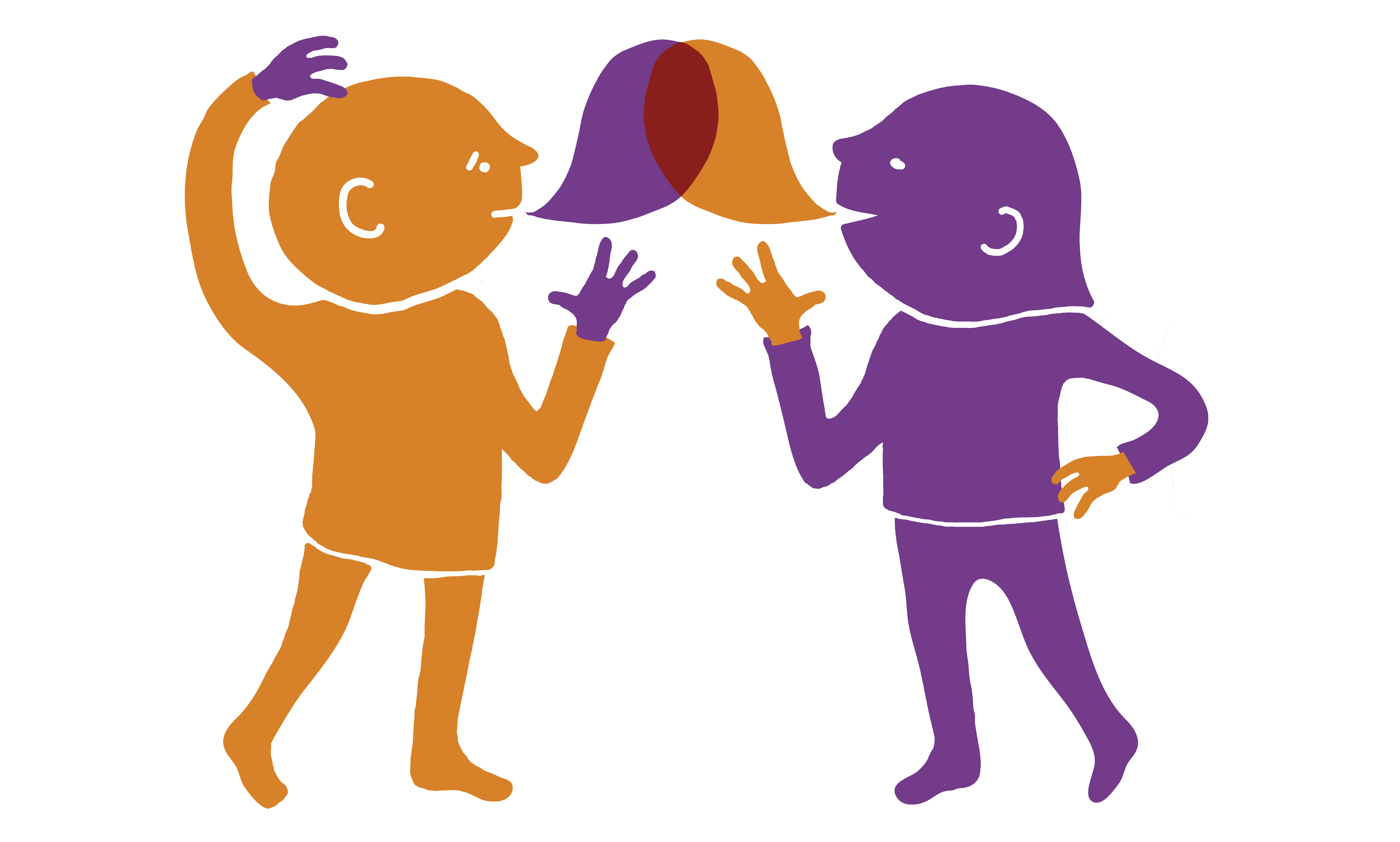
Understanding Each Other’s Needs as Friends: A Foundation for Enduring Bonds
Friendship, a cornerstone of human social interaction, thrives on mutual understanding and reciprocal support. While the spontaneity and shared enjoyment of camaraderie are undeniably integral to friendship, a deeper appreciation of each other's individual needs forms the bedrock of truly enduring bonds. This necessitates a conscious effort from each individual to cultivate empathy, effective communication, and a willingness to adapt their own behaviors to nurture the relationship.
The Diverse Landscape of Friendship Needs
It is a crucial first step to acknowledge that individuals possess diverse needs within friendships. These needs are not static; they evolve over time and are influenced by various factors, including personality, life stage, and current circumstances. Failing to recognize this diversity can lead to misunderstandings, unmet expectations, and ultimately, the erosion of the friendship itself.
Emotional Needs
Emotional support is often cited as a primary need within friendships. This encompasses feeling validated, understood, and accepted for who one is, regardless of imperfections. Friends might seek solace during challenging times, requiring active listening, empathy, and reassurance. Some individuals may need more frequent emotional check-ins than others. Understanding the intensity and frequency of emotional support required by a friend is vital.
Validation is another crucial emotional need. This involves feeling heard and acknowledged, not necessarily agreeing but actively listening to and respecting another's perspective. It means appreciating their feelings, even if one doesn't fully comprehend their experience. Friends who fail to validate each other's emotions may inadvertently dismiss their feelings, leading to resentment and distance.
Practical Needs
Beyond emotional needs, practical support forms an equally important aspect of many friendships. This can range from assistance with everyday tasks â€" such as running errands, helping with childcare, or offering transportation â€" to more significant forms of aid during life transitions, such as job changes, relocation, or illness. Understanding a friend’s capacity and willingness to offer practical assistance, as well as recognizing when a friend requires such assistance, is essential for maintaining a healthy balance.
The level of practical support needed varies greatly depending on individual circumstances and the nature of the friendship. Close friends may offer significant levels of practical help, while more casual acquaintances may offer support on a more limited basis. Open communication about practical needs and limitations is essential to prevent misunderstandings and resentment.
Intellectual and Social Needs
Intellectual stimulation is a significant need for many individuals within their friendships. This can manifest as engaging in stimulating conversations, sharing ideas, debating different perspectives, or collaboratively pursuing intellectual pursuits. Friendships that offer opportunities for intellectual growth and exchange contribute to personal development and a sense of fulfillment.
Social needs encompass the desire for companionship, shared activities, and a sense of belonging. This might involve regular social gatherings, shared hobbies, or simply enjoying each other's company. The frequency and type of social interaction vary greatly from one friendship to another, and understanding these preferences is paramount. Failing to acknowledge a friend’s social needs can lead to feelings of isolation and loneliness.
Effective Communication: The Bridge to Understanding
Effective communication serves as the crucial bridge that connects individuals and allows them to understand each other's needs. It is not merely about exchanging information but about actively listening, empathizing, and expressing oneself clearly and respectfully.
Active Listening and Empathy
Active listening involves more than simply hearing words; it entails paying close attention to both verbal and nonverbal cues, demonstrating understanding, and responding thoughtfully. Empathy â€" the ability to understand and share the feelings of another â€" is essential for responding effectively to a friend’s needs. It requires setting aside one's own perspective and attempting to see the situation from the friend’s point of view.
Open and Honest Expression
Open and honest communication is vital for expressing one’s own needs and seeking clarity from friends. This necessitates expressing feelings and preferences directly, albeit respectfully, without resorting to passive-aggressive behaviors or making assumptions. It also involves being receptive to feedback from friends and being willing to adjust one’s behavior accordingly.
Setting Healthy Boundaries
Setting healthy boundaries is crucial for maintaining both personal well-being and the sustainability of friendships. Boundaries define acceptable behaviors and limits within the relationship, ensuring that neither individual is overburdened or exploited. These boundaries should be communicated clearly and respectfully, avoiding any sense of judgment or accusation.
Adaptability and Reciprocity: Nurturing the Friendship
Understanding each other’s needs is an ongoing process that requires adaptability and reciprocity. Life circumstances change, and consequently, individual needs may evolve. A willingness to adapt to these changes and to adjust one’s behavior accordingly is essential for maintaining a healthy friendship. It’s crucial to recognize that friendships are not static entities; they require consistent nurturing and effort to thrive.
Compromise and Flexibility
Compromise and flexibility are vital for navigating differences in needs and preferences. It involves finding ways to meet each other halfway, accommodating each other’s schedules and priorities, and seeking solutions that satisfy both individuals. A rigid adherence to one’s own needs without consideration for a friend’s may damage the relationship.
Reciprocal Support and Giving
Reciprocal support is the cornerstone of healthy friendships. It involves a mutual exchange of support, both emotional and practical, where both individuals contribute to the well-being of the relationship. While the balance may not always be perfectly equal at every moment, a sustained imbalance in giving and receiving can lead to resentment and ultimately, the dissolution of the friendship.
In conclusion, understanding each other’s needs is a fundamental element of building and sustaining meaningful friendships. It requires active listening, clear communication, empathy, adaptability, and a commitment to reciprocal support. By embracing these principles, individuals can cultivate deep and enduring friendships that enrich their lives in countless ways. Investing time and effort in this understanding is an investment in the quality and longevity of the bonds that shape our social landscape.
0 comments:
Post a Comment
Note: Only a member of this blog may post a comment.