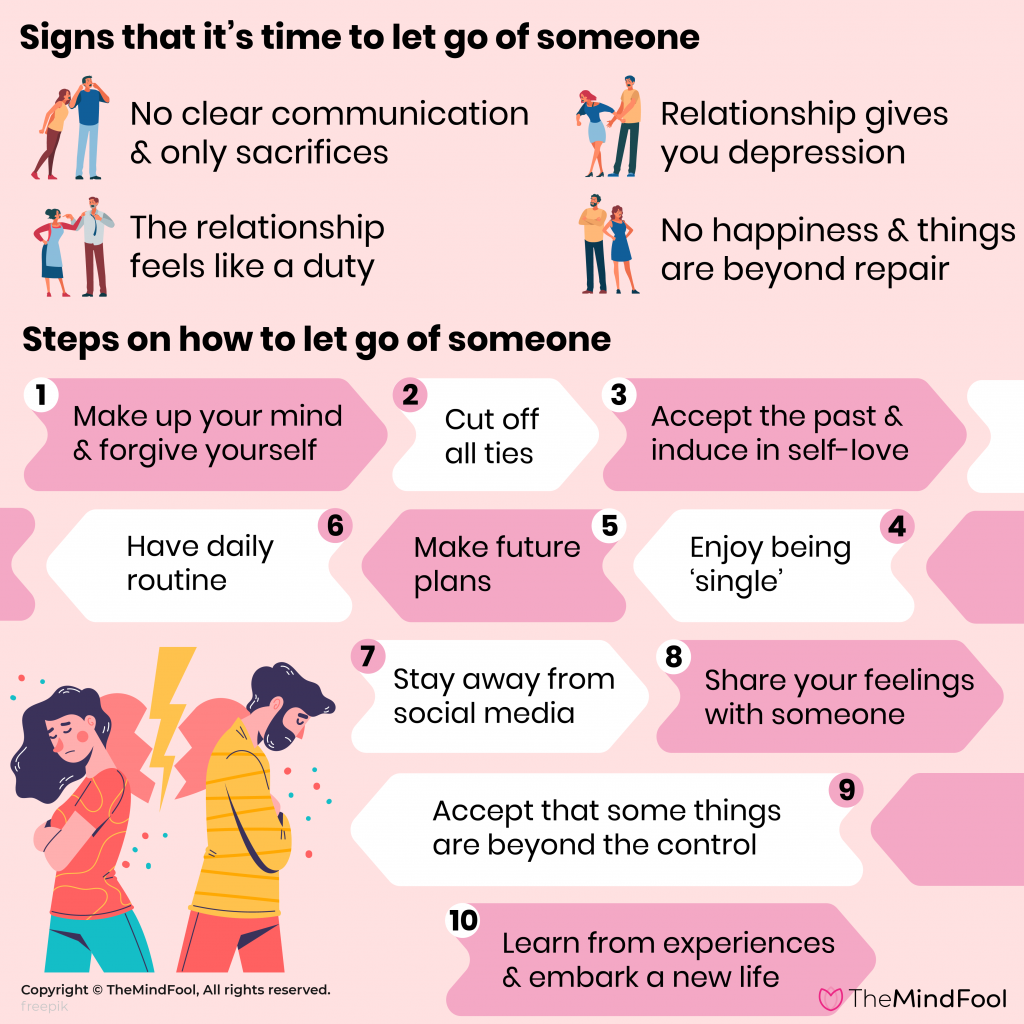
5 Steps to Emotionally Detach and Let Go of Someone You Love
Letting go of someone you love is a profoundly difficult experience. It can feel like a constant ache in your heart, a persistent feeling of loss, and a struggle to move forward. While it's natural to grieve the end of a relationship, clinging to the past can prevent you from healing and finding happiness again.
Emotional detachment is not about erasing your feelings or suppressing your grief. Instead, it's about shifting your focus from the pain of the past to the possibilities of the future. It's about regaining your emotional independence and reclaiming your power. This article will guide you through five essential steps to emotionally detach and let go of someone you love.
1. Acknowledge and Accept the Loss
The first step is acknowledging the reality of the situation. This might seem obvious, but many people try to deny the loss or minimize its impact. Denial can prolong the pain and prevent healing.
Accepting the loss means recognizing that the relationship is over and that you are moving on. It means acknowledging the pain of your feelings, without judging them or trying to suppress them. Allow yourself to feel the sadness, anger, loneliness, and any other emotions that arise.
How to Accept the Loss
2. Limit Contact and Communication
When you're trying to emotionally detach, it's essential to limit contact with the person you are trying to let go of. Frequent interactions, even seemingly innocent ones, can keep the emotional connection alive and prolong the healing process.
This step might feel difficult initially, especially if you are used to regular communication. However, by creating distance, you allow yourself to break the emotional cycle that keeps you bound to the past.
Tips for Reducing Contact
3. Shift Your Focus to Yourself
Emotional detachment is not about becoming cold or indifferent. Instead, it's about redirecting your energy and attention towards your own needs, goals, and well-being.
This process involves rediscovering your sense of self outside the context of the relationship. It's about re-establishing your identity, passions, and aspirations. By nurturing yourself, you begin to heal and grow as an individual.
How to Reconnect with Yourself
4. Challenge Negative Thought Patterns
When we are emotionally attached to someone, negative thoughts can become ingrained in our minds. These thoughts can be intrusive, creating feelings of guilt, self-blame, and regret.
To emotionally detach, it's vital to challenge these negative thought patterns. This doesn't mean denying the reality of the situation or overlooking your feelings. It's about shifting your perspective to recognize that you are not responsible for the actions or choices of others. It's about understanding that the past cannot be changed, but the future is still within your control.
Strategies for Challenging Negative Thoughts
5. Allow Time and Patience
Emotional detachment is not a quick fix. It's a journey that requires time, patience, and self-compassion. There will be good days and bad days, moments of progress and setbacks.
Be kind to yourself throughout the process. Avoid comparing your healing journey to others. Everyone heals at their own pace. Be patient with yourself, and celebrate every small step forward.
Tips for Patience and Self-Compassion
Ultimately, letting go of someone you love is a process of healing and transformation. It's about reclaiming your emotional independence and rediscovering your own strength and resilience. By following these steps, you can navigate the difficult terrain of emotional detachment with grace, compassion, and a renewed sense of hope for the future.
0 comments:
Post a Comment
Note: Only a member of this blog may post a comment.